
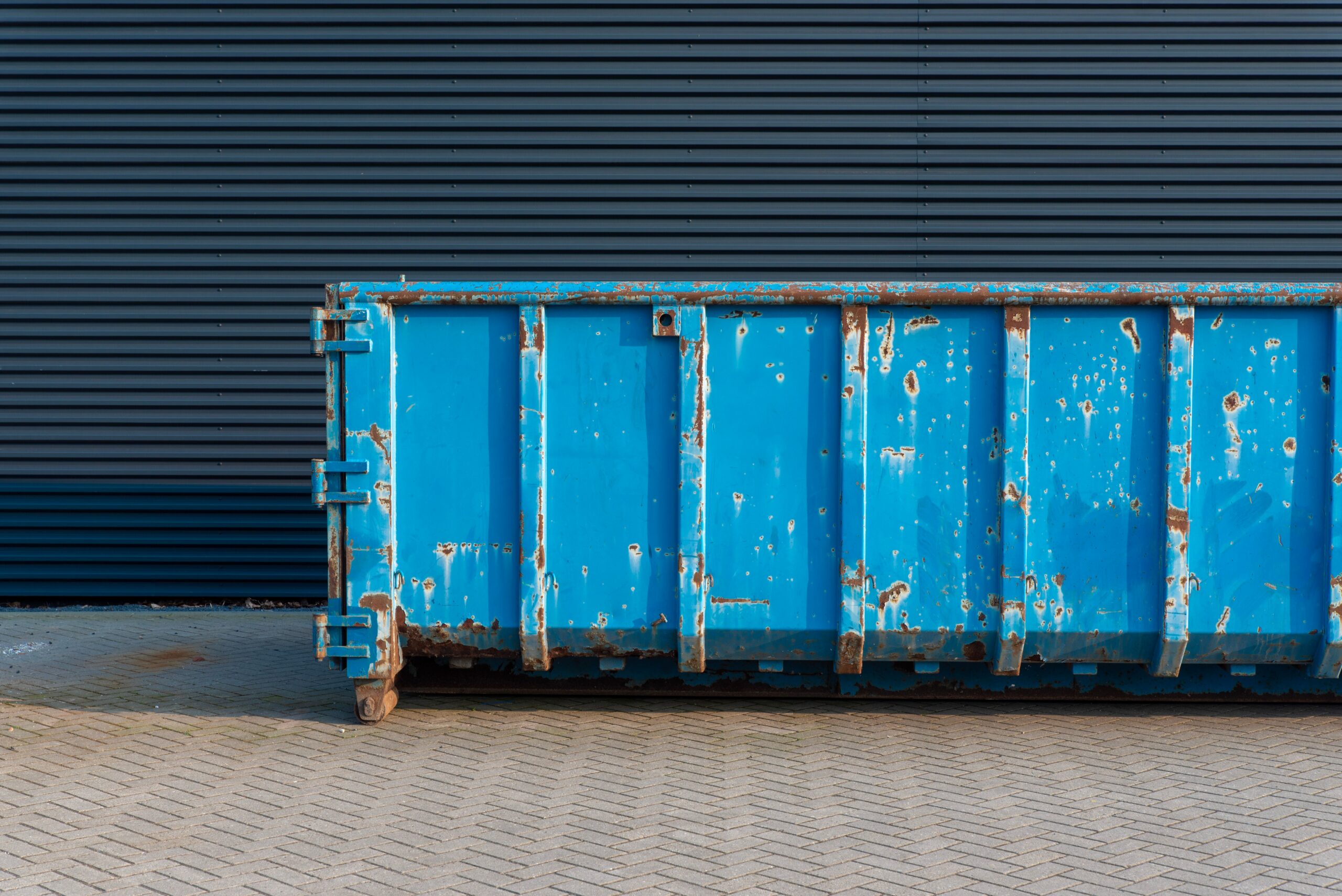
Understanding roll-off dumpster weight before you start loading can help you select the right container, avoid an overloaded dumpster, and reduce the risk of unexpected overage charges.
What Is a Roll-Off Dumpster Weight Limit?
A roll-off dumpster weight limit is the maximum amount of debris weight allowed in a rented container under the rental company’s terms and safe hauling requirements.
Dumpster weight is usually measured in tons, with:
1 ton = 2,000 pounds
There are two weight figures to understand:
- Included weight allowance: The amount of debris weight included in your rental rate.
- Maximum allowable weight: The highest load the dumpster can safely and legally be transported with.
These numbers are not always the same. A container may be physically capable of holding more weight than the tonnage included in your rental agreement.
Typical Roll-Off Dumpster Weight Limits by Size
Actual weight allowances vary by rental company, debris type, disposal facility, truck capacity, and local regulations. However, common industry ranges include:
| Dumpster Size | Typical Included Weight Range | Pounds |
|---|---|---|
| 10-Yard Dumpster | 1–3 tons | 2,000–6,000 lbs |
| 15-Yard Dumpster | 1–3 tons | 2,000–6,000 lbs |
| 20-Yard Dumpster | 2–4 tons | 4,000–8,000 lbs |
| 30-Yard Dumpster | 3–5 tons | 6,000–10,000 lbs |
| 40-Yard Dumpster | 4–5 tons | 8,000–10,000 lbs |
These figures are general ranges—not a guarantee for a particular rental. Always confirm the specific weight allowance for your dumpster before loading it.
Keystone Container offers 10-, 20-, 30-, and 40-yard open-top roll-off containers for residential and commercial projects across Northeastern Pennsylvania.
10-Yard Dumpster Weight Limit
A 10-yard dumpster commonly includes about 1–3 tons of debris capacity, depending on the provider and waste material.
Its smaller volume makes it useful for garage cleanouts, small renovations, roofing debris, and certain heavy-material projects. Dense debris can reach the permitted weight before the container looks full.
20-Yard Dumpster Weight Limit
A 20-yard dumpster commonly carries an included allowance of roughly 2–4 tons.
It is frequently used for remodeling, roofing, flooring removal, household cleanouts, and medium construction projects.
30-Yard Dumpster Weight Limit
A 30-yard dumpster often includes approximately 3–5 tons of debris weight.
Its greater volume works well for large renovations, construction cleanup, and demolition debris. However, filling a 30-yard container completely with concrete, dirt, or brick could create an extremely heavy load.
40-Yard Dumpster Weight Limit
A 40-yard dumpster may include approximately 4–5 tons under common rental structures.
These containers provide substantial volume for bulky construction and commercial debris, but their large size does not mean they should be completely filled with dense material.
Dumpster Weight vs. Dumpster Volume: What’s the Difference?
One of the biggest sources of confusion is treating cubic yards and tons as the same measurement.
Cubic yards measure volume. Tons and pounds measure weight.
A 20-yard dumpster tells you how much physical space the container provides—not exactly how much the debris can weigh.
For example, cardboard, furniture, and light household junk may take up considerable volume without becoming extremely heavy. Concrete or dirt can create the opposite problem: a relatively small amount can weigh several tons.
That is why roll-off dumpster weight can matter more than available space when disposing of dense material.
How Material Type Affects Dumpster Weight
Material density has a major impact on the final load.
Heavy and Dense Debris
Materials that can add weight quickly include:
- Concrete
- Brick and masonry
- Dirt and soil
- Asphalt
- Roofing shingles
- Stone
- Tile
- Certain demolition debris
If your project involves a large amount of these materials, tell your dumpster provider before ordering.
Lighter, Bulky Debris
Materials such as furniture, cardboard, household junk, wood, and some general cleanup waste may use more container volume before reaching the weight allowance.
However, every load is different. Moisture, compaction, and the mixture of materials can significantly change actual weight.
Why Do Roll-Off Dumpsters Have Weight Limits?
Dumpster weight limits exist for more than pricing.
Safe Truck Hauling
A loaded roll-off container must be lifted onto a truck and transported safely. Excessive weight can create problems for lifting equipment, truck components, and load stability.
Road and Transportation Requirements
Commercial trucks must comply with applicable vehicle and road weight restrictions. Dumpster providers therefore have to consider the combined weight of the truck, container, and debris.
Disposal Costs
Landfills and transfer stations commonly calculate disposal costs based partly on weight. If your load exceeds the tonnage included with the rental, additional disposal or overage charges may apply.
What Happens If You Exceed the Dumpster Weight Limit?
Going over your included weight allowance can result in an overweight or tonnage overage fee.
Depending on the rental provider and local disposal costs, the additional charge is generally calculated per extra ton or portion of a ton.
A severely overloaded dumpster may also be unsafe or impossible to pick up as loaded. In that situation, some material may need to be removed before transportation.
Before renting, ask:
- How many tons are included?
- What is the maximum permitted load?
- What is the overage rate?
- Are heavy materials subject to separate rules?
- Are concrete, dirt, brick, or roofing materials restricted?
How to Estimate Roll-Off Dumpster Weight
You do not need to know the exact weight of every piece of debris, but planning helps.
Start by identifying your primary material. Next, estimate how many cubic yards of debris the project will generate. Then compare that volume with the approximate density of the material.
A simple way to think about it is:
Estimated debris weight = debris volume × approximate material weight per cubic yard
Because density can vary considerably, use this only as an estimate and leave a safety margin.
For concrete removal, roofing tear-offs, demolition, or other heavy projects, discussing the material with your dumpster company is more reliable than selecting a dumpster based on volume alone.
How to Avoid Overloading a Roll-Off Dumpster
A few loading practices can help prevent problems:
- Keep debris below the dumpster’s designated fill line.
- Distribute heavy material evenly across the container.
- Do not assume a larger dumpster is automatically better for concrete or dirt.
- Avoid adding unapproved materials.
- Tell the rental company when the project includes unusually dense debris.
- Confirm the included tonnage and overage policy before delivery.
The right container is based on both volume and weight, not simply the amount of space you think you need.
Frequently Asked Questions About Roll-Off Dumpster Weight Limits
How much weight can a roll-off dumpster hold?
Most rental weight allowances fall within several tons, depending on dumpster size, material type, hauling equipment, and provider policies. Some containers may be capable of carrying more than the tonnage included in the rental price.
What size dumpster holds 2 tons?
Several dumpster sizes may accommodate approximately two tons, including some 10- and 20-yard rentals. The right choice also depends on how much space the debris occupies and what material you are disposing of.
How many tons can a 30-yard roll-off dumpster hold?
A 30-yard dumpster commonly has an included allowance in the neighborhood of 3–5 tons. Your provider’s actual limit may be different, so check the rental terms before loading.
How much weight can you put in a 40-yard dumpster?
A 40-yard roll-off commonly includes around 4–5 tons under many rental structures. Dense materials should not automatically be loaded to the top simply because the container has more volume.
Can I put concrete, brick, or dirt in a roll-off dumpster?
Possibly, but these materials are extremely dense and may have special loading requirements. Always confirm acceptable materials and weight restrictions with the rental company before placing concrete, masonry, dirt, or similar debris in the container.
Choose the Right Roll-Off Dumpster for Your Project
Choosing a dumpster based only on cubic yards can lead to the wrong container. The best choice accounts for project size, debris type, material density, available volume, and the roll-off dumpster weight limit.
Keystone Container provides 10-, 20-, 30-, and 40-yard roll-off dumpsters for homeowners, contractors, and businesses throughout Northeastern Pennsylvania. Whether you’re handling a home cleanout, renovation, roofing project, construction cleanup, or demolition job, discussing both debris volume and expected roll-off dumpster weight before delivery can help you choose the right container.
Need Help Choosing the Right Dumpster Size?
Contact Keystone Container to discuss your project, accepted materials, available container sizes, weight allowances, and rental terms.
