
Construction Waste Disposal in PA
Contact Us
Plan Construction Waste Disposal Before Your Project Begins
Whether you’re remodeling a home, renovating a commercial property, replacing a roof, or managing new construction, construction waste disposal should be planned before the first materials come down.
Construction debris can accumulate quickly during demolition and building work. Having a disposal plan in place gives contractors and homeowners a designated location for drywall, lumber, flooring, shingles, fixtures, and other approved debris as the project progresses.
For projects that generate waste over several days or weeks, construction waste dumpsters can make cleanup easier by keeping debris contained at the job site until pickup.
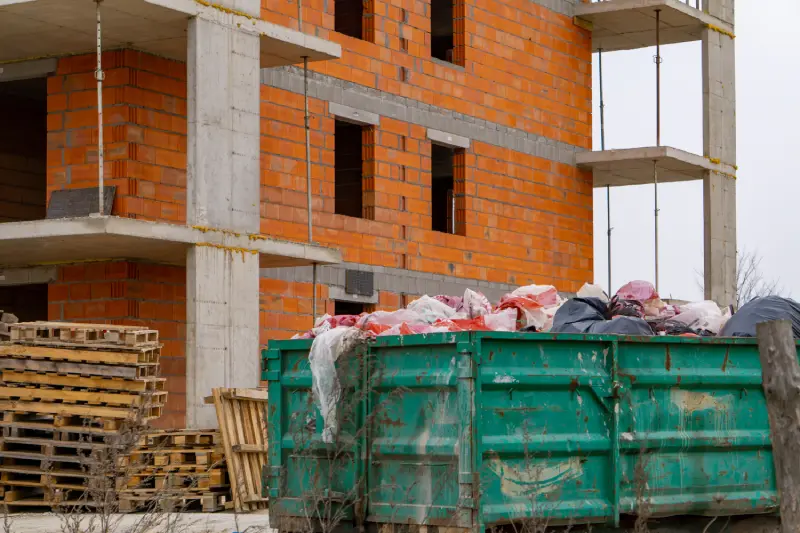
Planning ahead can help you:
- Keep active work areas cleaner
- Reduce repeated handling of debris
- Limit piles of loose material around the property
- Coordinate cleanup with different construction phases
- Avoid last-minute disposal arrangements
- Keep crews focused on the project instead of disposal trips
What Is Considered Construction Waste?
Construction waste includes materials generated during demolition, renovation, remodeling, repair, roofing, and new construction.
Common examples include:
- Drywall and plaster
- Wood and lumber
- Flooring and carpeting
- Roofing shingles
- Siding
- Cabinets and fixtures
- Insulation
- Tile
- Packaging from building materials
- General demolition debris
Even relatively small remodeling projects can generate more debris than regular household trash collection is designed to handle.
The type of material also matters. Lightweight materials such as drywall and lumber affect a dumpster differently than dense materials such as concrete, brick, dirt, or tile.
What Are the Main Construction Waste Disposal Options in Pennsylvania?
The best disposal method depends on the amount of debris, the type of material, the length of the project, and whether waste will be generated all at once or over several stages.
Roll-Off Construction Waste Dumpsters
A roll-off dumpster gives contractors and homeowners one central location for construction debris throughout the project.
Instead of allowing material to pile up and arranging removal afterward, crews can load approved waste directly into the container as demolition, remodeling, or construction progresses.
This option is especially useful for:
- Home renovations
- Commercial remodeling
- Roofing projects
- Demolition work
- Flooring removal
- Siding replacement
- New construction
- Multi-phase construction projects
Keystone Container offers roll-off dumpster options for residential and commercial projects throughout Northeastern Pennsylvania.
Junk Removal Services
Junk removal may work well when debris has already been collected, and the main need is immediate hauling.
It can be useful for smaller cleanup projects where waste isn’t being generated continuously.
Self-Hauling Construction Debris
Homeowners may be able to transport small amounts of construction waste themselves.
However, larger renovation and demolition projects can require multiple trips, appropriate transportation, unloading, and coordination with an approved disposal facility. When debris continues accumulating throughout the project, a dumpster may offer a more practical way to manage the material on-site.
Why Construction Waste Dumpsters Work Well for Active Job Sites
Construction debris rarely appears at one time.
Demolition may create drywall, lumber, flooring, and fixtures during the first phase. Roofing, framing, siding, or finishing work may create additional debris later.
Keeping a roll-off dumpster at the project site allows approved material to be collected as work progresses.
This can help:
- Keep construction debris in one designated area
- Reduce unnecessary movement of waste
- Support ongoing demolition and renovation work
- Simplify construction-site cleanup
- Prevent debris from accumulating around active work areas
- Coordinate waste removal with the project schedule
For both contractors and homeowners, having a planned disposal location can make day-to-day site management much easier.
Need a roll-off dumpster for an upcoming construction project? Contact Keystone Container for a free dumpster rental quote.
How to Choose the Right Dumpster for Construction Waste
Choosing a dumpster isn’t only about finding the largest container available. The best option depends on the volume, weight, and type of construction debris your project will generate.
Keystone Container offers 10-, 20-, 30-, and 40-yard open-top roll-off containers for projects ranging from smaller cleanups to larger construction and demolition jobs.
Before selecting a dumpster, consider:
Project Size
A smaller renovation will typically generate less debris than a complete home remodel, commercial renovation, or major demolition project.
Type of Debris
Drywall, lumber, roofing materials, and bulky building debris may require a different approach than dense materials such as concrete, brick, dirt, or tile.
Weight
A dumpster can reach its allowable weight before it looks completely full when dense construction material is involved.
Project Duration
If waste will accumulate during several stages of work, you may need the container on-site throughout demolition and construction.
Available Placement Area
Make sure there is enough room for delivery, loading, and eventual pickup without interfering with workers, vehicles, building access, or essential site operations.
If you’re unsure which size fits your project, Keystone Container can help you match the container to the amount and type of debris you expect to generate.
Construction Materials That May Need Special Handling
Not every material from a renovation or construction site should automatically be placed in a standard roll-off dumpster.
Many common nonhazardous construction materials can typically be accepted, including drywall, ordinary lumber, flooring, shingles, and general demolition debris.
However, certain materials may have restrictions or require separate disposal arrangements.
Examples can include:
- Hazardous waste
- Wet paint and other liquids
- Batteries
- Tires
- Asbestos-containing material
- Fuels and oils
- Refrigerant-containing appliances
- Certain electronics
- Infectious or regulated waste
Heavy materials such as concrete, brick, asphalt, dirt, and tile may also require a specific container or loading arrangement because weight limits can become a concern quickly.
When you’re unsure about a material, confirm whether it can be loaded before placing it in the dumpster.
Do You Need a Permit for a Construction Dumpster in Pennsylvania?
Dumpster placement requirements can vary by municipality and by where the container will be located.
If the dumpster can be placed entirely on private property, such as a suitable driveway or construction site, requirements may differ from placing it on a public road, street, or right-of-way.
Local municipalities can have their own rules covering issues such as:
- Placement
- Public-road use
- Traffic visibility
- Safety
- Length of time the dumpster remains on-site
Before scheduling a container that will occupy public property, check the requirements for the municipality where the project is located.
Planning Construction Waste Disposal for a Renovation or Job Site
Construction projects don’t always produce the exact amount of waste originally expected.
Hidden damage, additional demolition, material changes, and expanded project scope can all increase the amount of debris requiring removal.
Before work begins, consider:
- How much material is likely to be removed
- What types of construction debris will be generated
- Whether demolition will occur in multiple phases
- Where the dumpster can be safely positioned
- Whether multiple contractors or crews will use it
- How long the container will be needed
- Whether particularly heavy materials will be generated
- When pickup will be needed
Building construction waste disposal into the project plan from the beginning is easier than trying to solve a growing debris problem midway through construction.
Construction Waste Disposal for Contractors
Contractors often generate debris continuously rather than during a single cleanup.
A renovation might involve demolition first, followed by framing, roofing, drywall, flooring, siding, or finishing work. Each stage can create a different type and volume of waste.
Having construction waste dumpsters available during the job gives crews a consistent place for approved debris without depending on repeated hauling trips.
Before scheduling a dumpster, contractors should consider:
- Expected debris volume
- Number of crews using the container
- Project phases
- Heavy-material loads
- Delivery access
- Container placement
- Pickup timing
For longer or larger projects, planning disposal around the construction schedule can help prevent a full container from disrupting work.
Construction Waste Disposal for Home Renovations
You don’t need to be managing a large commercial project to benefit from a roll-off dumpster.
Home improvement projects can generate substantial debris, especially during:
- Kitchen remodeling
- Bathroom renovations
- Basement renovations
- Roofing replacement
- Flooring removal
- Siding replacement
- Garage cleanouts combined with renovation work
- Interior demolition
Instead of stacking debris in the driveway or moving it multiple times, homeowners can place approved materials directly into a dumpster as work progresses.
Common Construction Waste Disposal Mistakes to Avoid
A little planning can prevent several common debris-management problems.
Waiting Until Debris Starts Piling Up
Arrange disposal before demolition begins whenever possible so workers have a designated place for waste from the start.
Underestimating Demolition Waste
Removing walls, flooring, roofing, cabinets, and fixtures can create more material than expected.
Choosing a Dumpster Based Only on Volume
Consider weight as well as physical size, particularly when disposing of concrete, brick, tile, dirt, or other dense material.
Mixing Restricted Materials Into the Load
Confirm questionable materials before loading them rather than discovering disposal restrictions during pickup.
Ignoring Dumpster Placement
Plan a delivery location that provides appropriate truck access while allowing crews to use the container conveniently.
Forgetting About Project Changes
Extra demolition or unexpected repairs can increase waste volume. Build some flexibility into the disposal plan when possible.
At-a-Glance: Comparing Construction Waste Disposal Options
Disposal Option | Best Suited For |
Roll-off dumpster rental | Ongoing residential, commercial, renovation, roofing, and construction projects |
Junk removal service | Debris that has already been collected and needs removal |
Self-hauling | Small projects producing limited amounts of approved construction debris |
When Should You Rent a Construction Waste Dumpster?
A dumpster is often a practical option when debris will be generated continuously rather than during one short cleanup.
Consider arranging a container before work starts if:
- Demolition will continue for several days
- Multiple rooms or areas are being renovated
- Roofing or siding is being removed
- Several contractors will generate debris
- A substantial amount of bulky material is expected
- You want waste contained in one location
- Repeated self-hauling trips would interrupt the project
Scheduling the dumpster before demolition starts means the container is available as soon as debris begins accumulating.
How the Construction Dumpster Rental Process Works
The process can be straightforward when disposal requirements are planned in advance.
1. Estimate Your Debris
Consider the type of work, amount of demolition, and materials being removed.
2. Choose the Appropriate Dumpster
Select a container based on debris volume, material weight, site space, and project duration.
3. Prepare the Delivery Area
Choose an accessible location where the truck can deliver and retrieve the container.
4. Load Approved Construction Waste
Place approved debris into the dumpster throughout the project without exceeding applicable fill or weight limits.
5. Arrange Pickup
When the project is complete or the container is ready for removal, schedule pickup.
Choosing the Right Construction Waste Disposal Solution in Northeastern PA
The right disposal method depends on how your project generates debris.
For a small, one-time cleanup, self-hauling or junk removal may be enough. For renovations, demolition, roofing, and construction projects where debris accumulates over time, a roll-off dumpster provides one centralized location for approved materials throughout the job.
Keystone Container serves homeowners, contractors, and businesses throughout Northeastern Pennsylvania with multiple roll-off dumpster sizes for construction, renovation, demolition, and cleanup projects.
If you’re unsure which dumpster fits your project, Keystone Container can help you evaluate the expected debris, project size, and schedule before delivery.
Frequently Asked Questions About Construction Waste Disposal
What is the best way to dispose of construction waste?
The best method depends on the amount, type, and timing of the debris. For projects generating construction waste over several days or weeks, a roll-off dumpster can provide a centralized place for approved materials until pickup.
Can I rent construction waste dumpsters for a small home renovation?
Yes. Smaller renovations can still generate substantial amounts of drywall, flooring, lumber, cabinets, fixtures, and other debris. The right dumpster size depends on the amount and type of material being removed.
What construction debris can go into a dumpster?
Common nonhazardous materials such as drywall, ordinary lumber, flooring, roofing shingles, siding, cabinets, and general demolition debris are commonly accepted. Hazardous or regulated materials can require separate disposal.
Can concrete and brick go into a construction dumpster?
Concrete and brick may be accepted, but these materials are extremely heavy. A dedicated heavy-debris container or specific loading arrangement may be recommended. Confirm the material before loading.
What size dumpster should I use for construction debris?
The right size depends on the project’s debris volume, material type, weight, and available site space. Keystone Container offers 10-, 20-, 30-, and 40-yard roll-off containers and can help determine which size fits the project.
Do contractors use roll-off dumpsters for construction projects?
Yes. Roll-off dumpsters are commonly used during renovation, demolition, roofing, remodeling, and new-construction projects because debris can be collected as work progresses.
Can a construction waste dumpster stay on-site while work continues?
A dumpster can remain available during the project according to the agreed rental arrangement, allowing approved debris to be added as work progresses.
What's the difference between construction debris and household waste?
Construction debris comes from building, remodeling, demolition, roofing, flooring, and similar work. Household waste generally refers to routine residential trash produced through everyday activities.
Do I need a permit for a construction dumpster?
Requirements depend on the municipality and where the dumpster will be placed. Containers positioned on public streets or rights-of-way may be subject to local placement or permit requirements. Check local regulations before delivery when public property will be used.
When should I schedule my construction dumpster?
For ongoing construction or renovation work, scheduling the container before demolition begins gives crews a place to dispose of approved debris from the start of the project.
Can I schedule pickup when construction is complete?
Yes. When the project is complete and the dumpster is ready for removal, contact Keystone Container to coordinate pickup according to your rental arrangement.
Need a Dumpster for Your Next Construction Project?
Make debris removal part of the plan before construction starts.
Keystone Container provides roll-off dumpsters for residential renovations, commercial construction, demolition, roofing, and other cleanup projects throughout Northeastern Pennsylvania.
Contact Keystone Container today for a free roll-off dumpster rental quote.
Call: (570) 969-2400